
[:id]
Dr. Nour Athiroh Abdoes Sjakoer, S.Si.,M.Kes, dosen peneliti yang juga Ketua Lembaga Penelitian dan Pengabdian Masyarakat (LPPM) Universitas Islam Malang (UNISMA) menemukan khasiat teh daun benalu. Ternyata ada kandungan istimewa dalam teh daun benalu mangga yang ditelitinya, salah satunya, ialah dapat meningkatkan daya imunitas tubuh. Hasil penelitian ini mendapat apresiasi tinggi dari Dirut RSI UNISMA, bahkan kedepan temuan ini akan diresepkan untuk pasien hipertensi.
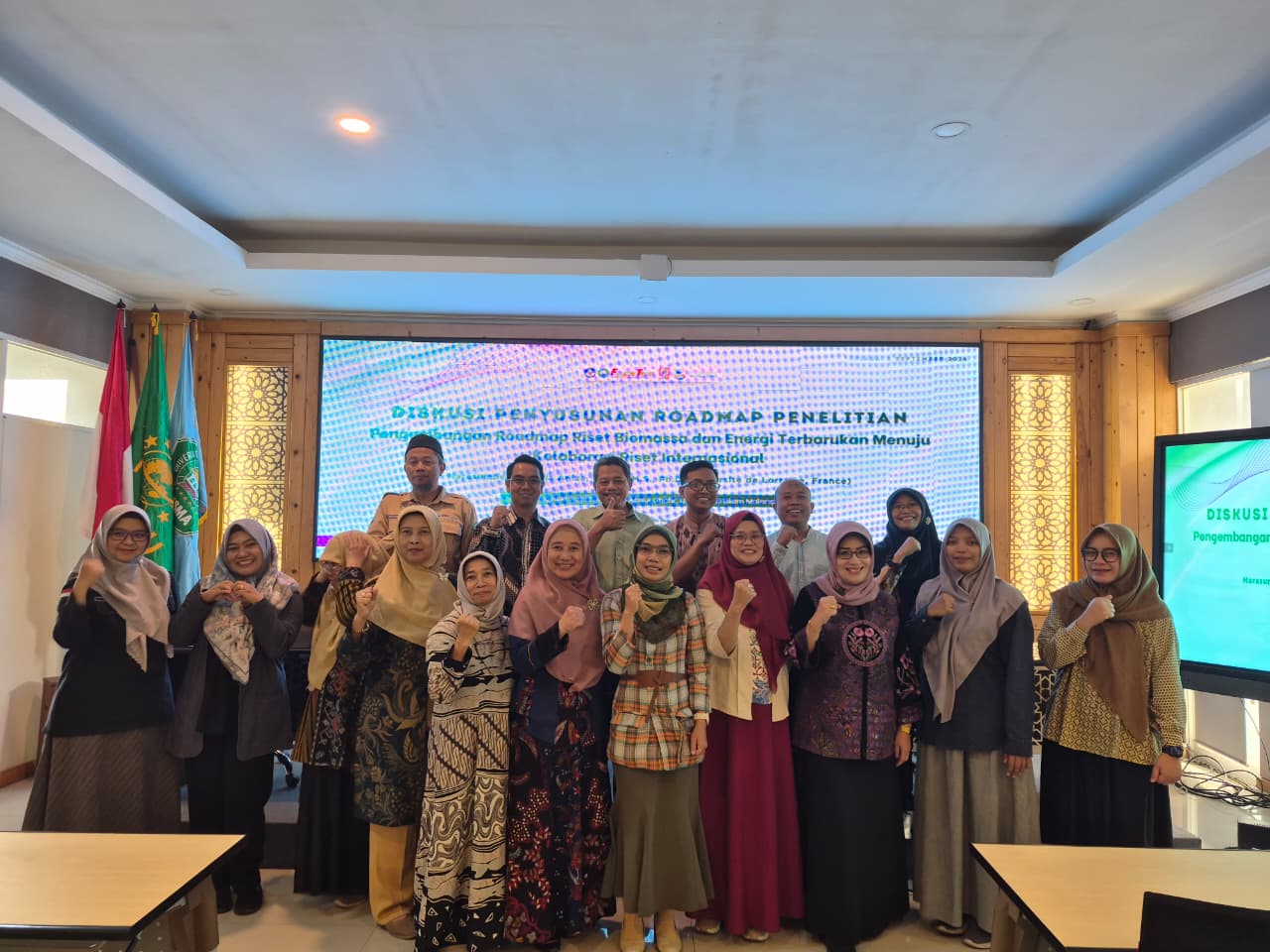
Hal tersebut disampaikan oleh Nour Athiroh saat Focus Group Discussion (FGD) yang digelar di ruang pertemuan lantai 7 RSI UNISMA, Sabtu (17/10). FGD ini mengupas hasil penelitian Skim Program Penelitian Terapan Unggulan perguruan Tinggi (PUPT) yang berjudul Kombinasi Herbal Benalu sebagai Sediaan Produk Fitofarmaka Suatu Kandidat Alternatif Antihipertensi Alami Tradisional Indonesia.
“Rangkaian penelitian ini sepenuhnya mendapat hibah dari DRPM/ Ristek BRIN. Penelitian ini memerlukan proses sangat panjang, telah melewati proses uji coba berkali-kali, salah satunya pada hewan coba tikus. Maka saat ini sudah waktunya melakukan hilirisasi penelitian perguruan tinggi produk benalu mangga celup,” ungkap Nour Athiroh.
FGD ini sendiri sebagai ajang pemaparan hasil penelitian Nour Athiroh beserta tim, dengan harapan akan mendapat masukan dari para dokter dan mitra produsen, yakni Griya Jamu Siti Ara Batu yang kedepan akan menjadikan temuan ini menjadi resep suplemen bagi pasien hipertensi.
Dalam kesempatan yang sama, Dirut RSI UNISMA, dr Tri Wahyu Sarwiyata, M.Kes mengapresiasi hasil penelitian ini. Hal ini sejalan dengan RSI sendiri yang sedang mengembangkan Saintifikasi jamu, bekerjasama dengan Balai Penelitian Tanaman Obat Tradisional Tawangmangu.
“Saya harapkan benalu teh mangga ini dapat sebagai suplemen penangkal dan menyembuhkan berbagai penyakit,” tandas Tri Wahyu.[:en]
Dr. Nour Athiroh Abdoes Sjakoer, S.Si., M.Kes, a research lecturer who is also the chair of the Institute for Research and Community of University of Islam Malang (Unisma) invented the benefits of parasite leaf tea. It turns out that there are special ingredients in the mango parasite leaf tea that she has researched, one of which is that it can increase the body’s immunity. The results of this study received high appreciation from the President Director of Islamic hospital of Unisma (RSI UNISMA); even in the future these findings will be prescribed for hypertensive patients.
This was conveyed by Nour Athiroh during a Focus Group Discussion (FGD) which was held on the 7th floor meeting room of Islamic hospital of Unisma on Saturday (17/10). This FGD examines the research findings of the Higher Education Leading Applied Research Program Scheme entitled “The Combination of Parasite Leaf Herbs as a Preparation of Phytopharmaca Products, an Alternative Candidate for Traditional Indonesian Natural Antihypertensives”.
“This series of research fully received a grant from Directorate of research and Community service/ Institute of Research and National Innovation. This research requires a very long process which has been through the process of testing many times, one of which is in mice and now it is the time to do downstream research on dipped mango parasite products, “said Nour Athiroh.
The FGD is a venue to present the results of research by Nour Athiroh and her team, with the hope that it will receive input from doctors and Griya Jamu Siti Ara Batu as producer partner which in the future will make these findings a supplement for hypertensive patients.
On the same occasion, the director of RSI UNISMA, dr. Tri Wahyu Sarwiyata, M.Kes, appreciated the results of this research. This is in line with this Islamic hospital’s mission which is developing the herbal medicine in collaboration with the Tawangmangu Traditional Medicinal Plant Research Institute.
“I hope this mango tea parasite can act as a supplement to prevent and cure various diseases,” said Tri Wahyu.[:]